

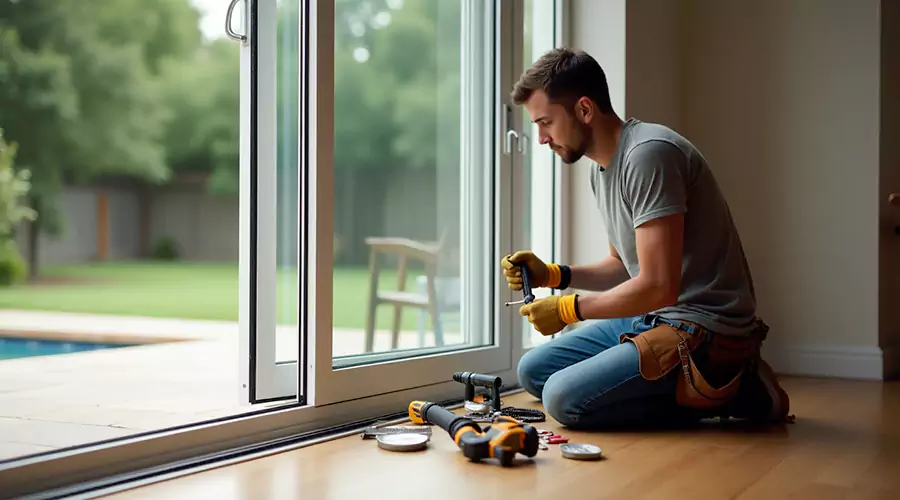

Hurricane impact sliding doors are designed to provide strong protection against high winds, flying debris, and extreme weather conditions. They are built with reinforced glass, heavy-duty frames, and stronger locking systems compared to standard sliding doors. While these doors are highly durable, they are not immune to damage or mechanical issues over time.
After storms or years of heavy use, homeowners may start noticing performance problems that require repair. Understanding these common issues can help you identify problems early and prevent more serious damage.
In this guide, we will explain the most common repair problems in hurricane impact sliding doors, what causes them, and when professional repair is needed.
What Makes Hurricane Impact Sliding Doors Different?
Before understanding repair issues, it is important to know how these doors are built.
Hurricane impact sliding doors typically include:
- Laminated impact-resistant glass
- Reinforced aluminum or steel frames
- Heavy-duty rollers and tracks
- Multi-point locking systems in some models
- Strong weather sealing components
These features improve durability, but also make repairs more complex compared to standard sliding doors.
Common Repair Problems in Hurricane Impact Sliding Doors
1. Roller Wear and Failure
Because hurricane impact doors are heavier than standard doors, their rollers experience more stress.
Common roller issues include:
- Flat spots from heavy weight
- Bearing failure
- Rust or corrosion
- Uneven rolling movement
Symptoms of Roller Problems
- Door feels extremely heavy
- Jerky or rough sliding motion
- Grinding noise during operation
- Door dragging on the track
Sliding door roller replacement is one of the most common repairs for these doors.
2. Track Damage and Misalignment
The track system must support the added weight of impact-rated glass.
Damage may occur due to:
- Heavy door pressure over time
- Storm debris impact
- Improper installation or adjustment
Common Track Issues
- Bent or dented sections
- Uneven sliding path
- Deep grooves from roller wear
- Frame shifting after storms
Even minor track damage can affect smooth operation due to the door’s weight.
3. Locking System Failure
Hurricane impact sliding doors often use advanced locking systems for added security.
Common lock problems include:
- Misaligned strike plates
- Stiff or jammed locking mechanism
- Broken internal components
- Difficulty engaging multi-point locks
Symptoms
- Door does not fully lock
- Excessive force required to secure the door
- Lock feels loose or unresponsive
Lock failure can compromise both security and storm protection.
4. Frame Warping or Structural Shifting
Due to their heavy construction, impact doors place more stress on frames.
Problems can develop from:
- Building settlement
- Storm pressure changes
- Long-term structural movement
Signs of Frame Issues
- Uneven gaps around the door
- Door appears tilted
- Difficulty sliding even after roller adjustment
- Air or water leakage during storms
Frame misalignment often requires professional correction.
5. Glass Seal and Insulation Failure
Impact doors use laminated glass with sealed layers for protection.
Over time, seals can fail due to:
- Moisture intrusion
- Temperature fluctuations
- Aging materials
Common Symptoms
- Fogging between glass layers
- Reduced insulation performance
- Visible condensation inside panels
Once seals fail, glass panels usually need replacement.
6. Weather Stripping Damage
Weather stripping plays a key role in sealing the door against wind and rain.
Damage can occur due to:
- UV exposure
- Salt air in coastal areas
- Constant compression over time
Signs of Weather Seal Problems
- Water leaks during heavy rain
- Air drafts around edges
- Cracked or hardened rubber seals
Replacing weather stripping helps restore energy efficiency.
7. Difficulty Sliding Due to Door Weight
Impact doors are significantly heavier than standard sliding doors.
This can lead to:
- Increased strain on rollers
- Faster wear of track components
- Difficulty opening or closing
If the door feels progressively harder to move, internal components may be wearing out.
8. Noise and Vibration Issues
Unusual noise is a common early warning sign of mechanical stress.
You may hear:
- Grinding sounds
- Rattling during movement
- Vibration when sliding
These symptoms often indicate roller or track problems.
9. Water Leakage After Storms
Even hurricane-rated doors can develop leaks if components are damaged.
Common causes include:
- Damaged seals
- Misaligned frame
- Blocked drainage channels
Water intrusion can lead to long-term structural damage if not addressed.
10. Corrosion in Coastal Environments
Homes near the ocean are especially prone to corrosion.
Salt air can affect:
- Rollers
- Tracks
- Locking systems
- Fasteners
This leads to faster wear and reduced performance over time.
When to Repair vs Replace Hurricane Impact Sliding Doors?
Repair Is Suitable When:
- Only rollers or hardware are worn
- Track is slightly damaged but repairable
- Locking mechanism needs adjustment
- Weather stripping is worn but frame is intact
Replacement May Be Needed When:
- Frame is severely damaged or warped
- Glass seals have failed
- Multiple systems are failing at once
- Door no longer meets impact-resistance standards
How to Prevent Common Repair Issues?
Regular Cleaning
- Remove dirt and salt from tracks
- Clean glass and frame surfaces
- Keep drainage channels clear
Lubrication
- Use silicone-based lubricant on rollers and tracks
- Avoid oil-based products that attract debris
Routine Inspection
- Check rollers for wear
- Inspect seals and weather stripping
- Look for alignment issues after storms
Gentle Operation
- Avoid forcing the door if it sticks
- Do not slam heavy impact doors
- Address small issues early
When to Call a Professional?
Professional service is recommended if:
- Door becomes extremely difficult to move
- Locking system fails or jams
- Visible frame or track damage is present
- Water leaks occur after storms
- Roller replacement is needed but access is complex
A technician can ensure repairs maintain the door’s safety and hurricane-rating performance.
Final Thoughts
Hurricane impact sliding doors are built for strength and protection, but they still require maintenance and occasional repair. The most common issues include roller wear, track damage, locking system failure, and weather sealing problems. Because these doors are heavier and more complex than standard sliding doors, even small issues can affect performance over time.
Early detection and regular maintenance are key to preventing costly repairs. When problems become persistent or affect safety and storm protection, professional repair ensures your door continues to perform as intended.
 Reviews
 (549)
(549)